


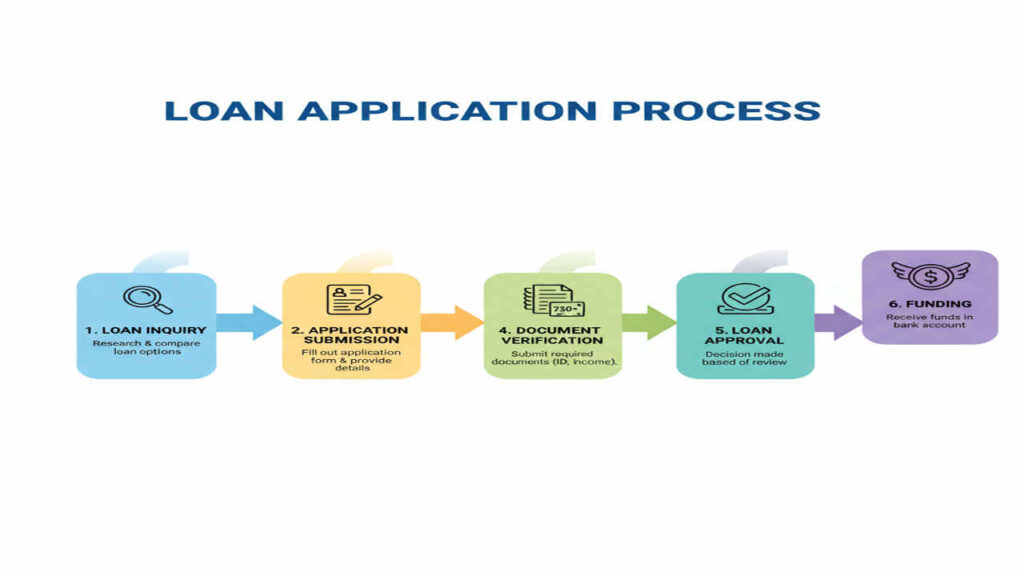
Recognizing What Criteria Lenders Use When Determining Your Loan Eligibility
Considering all of the loans needed for what-if scenarios, including a home mortgage, an auto loan, or a commercial real estate loan to make my own home business, there is but one foremost question to ask: What is the loan eligibility criteria of the lender? While it appears to be confusing at first review, loan eligibility criteria have certain underlying factors that, when understood, can help applicants make the necessary improvements needed for the best (greatest) loan terms.
The purpose of this article is to first provide a list of the primary factors that lenders use to make a determination of eligibility, then provide an analysis of the actions one can take to improve these factors, then explain how the factors can differ based on the type of loan one is looking for. The purpose is to provide a road map for success to assist in the process of obtaining a loan.
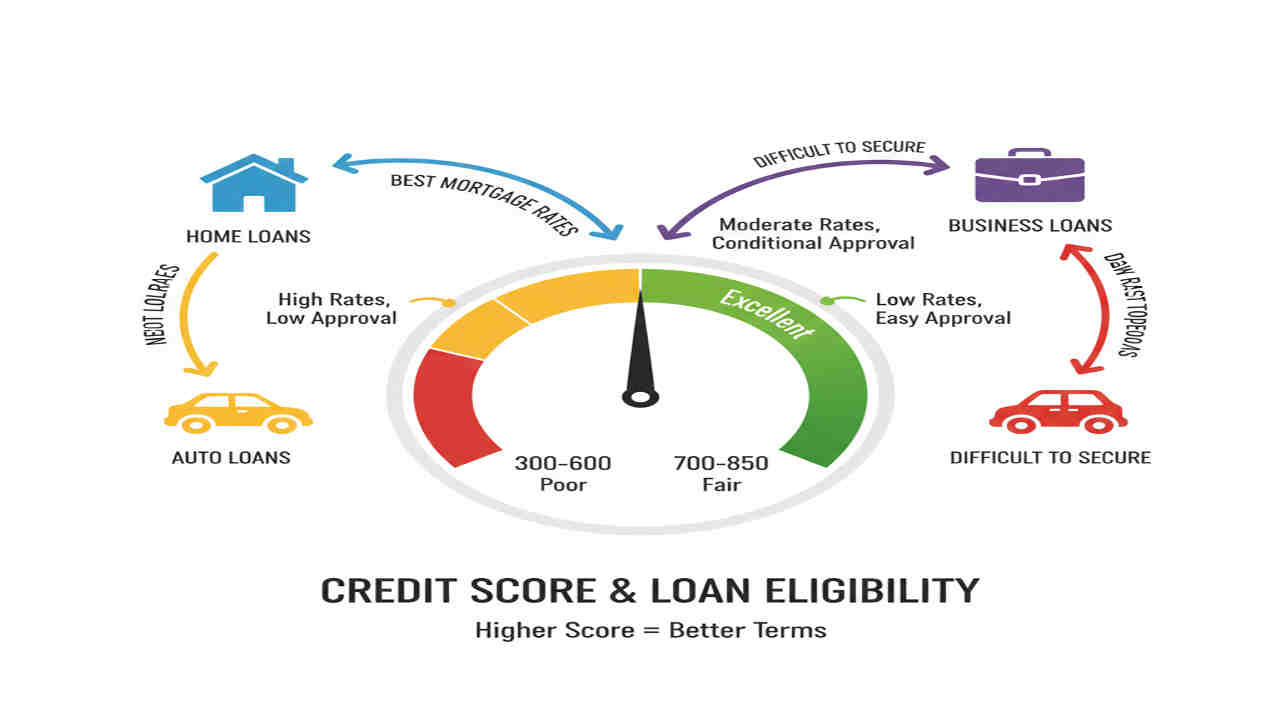
Your credit score might be the most important part of the loan application process. Your credit score is a primary predictor of whether an applicant will pay back a loan and how financially responsible or irresponsible that individual is.
What is a Credit Score?
Your credit score is a numerical representation of your creditworthiness, typically ranging from 300 to 850. It is calculated based on credit history including outstanding debts, payment history, and how long the credit accounts have been active.
Impact on Loan Eligibility
Having a credit score above 700 means you are a low-risk borrower which means you can get better rates and terms on your loans. On the other hand, lower credit scores can have higher rates, or you may get rejected completely.
Tip: if your score is lower than you would like, you can improve it by paying off existing debts, making sure you pay on time, and keeping your credit cards lower.
Income and Employment Stability: Can you repay the loan?
Lenders have to feel confident that you will have the financial resources to pay off the loan. This is where your income and employment situation comes in.

Income
Lenders want to know that you have enough money to afford your loan payments and your other expenses as well. If you have a consistent income, that means you can afford to pay your financial obligations.
Employment History
Lenders want to see consistent employment as a signal that you can and will continue to have a consistent income. Potential borrowers that have frequent job changes and gaps in employment are seen as risky candidates.
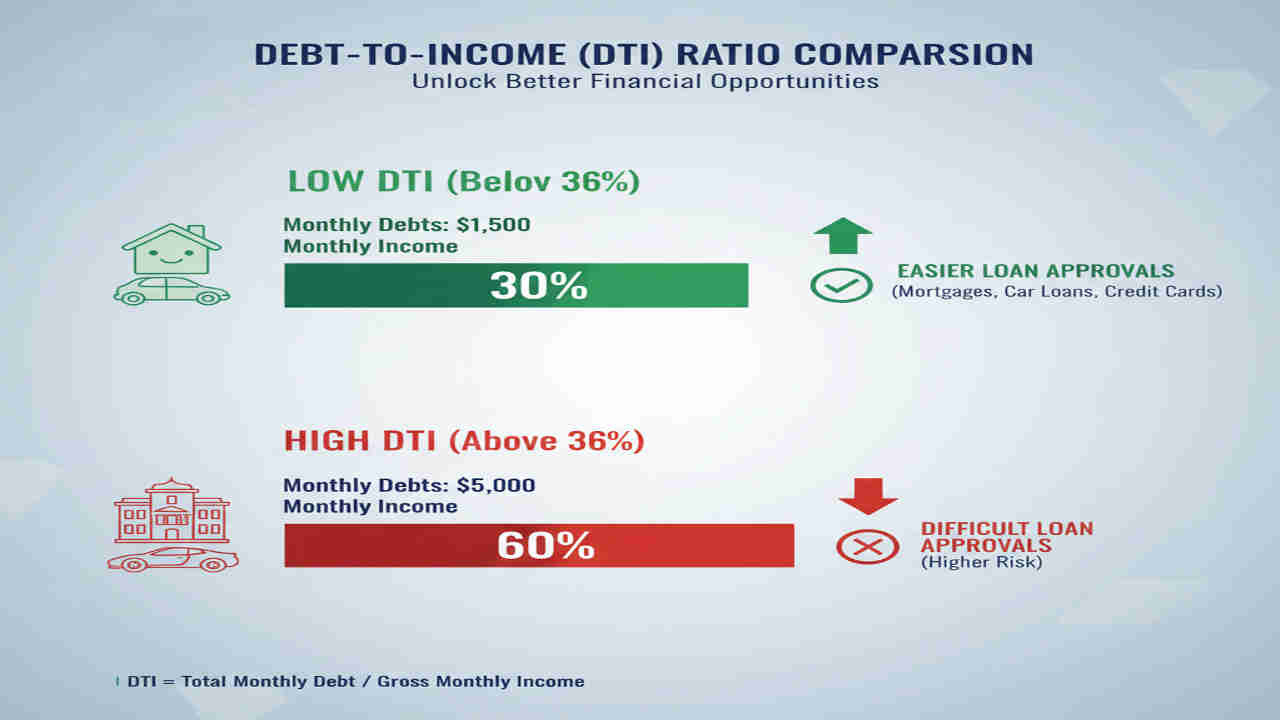
Debt to Income Ratio (DTI)
Lenders want to know how much of your income goes to pay your debt. A lower ratio means that you have enough income to easily pay additional debt. If your debt to income ratio is below 36% we see that as a positive sign that you can take additional debt and are not over leveraged.
- Down Payment: A Show of Commitment
A down payment is your contribution toward the total that you are borrowing and is a common part of loans for houses, cars and other big purchase loans.
Importance of a Down Payment
A down payment shows that you are seriously considering the loan and are not a likely candidate to default. A larger down payment means that you need to borrow less money, and that means that the lender is taking less of a risk.
Home loans typically require a 20 percentage point payment at down, though there are programs that require less. Auto loans usually have a lower threshold for down payment, while personal loans do not have any down payment requirements.
Tip: The more money you can save and front for a down payment, the more likely you will be able to have your loan approved under great terms.
Assets and Savings: Financial Cushion for Emergencies
In the event that your financial situation changes and you are not able to pay the loan back in full, lenders want to know that there enough finances in your savings to float for a while. For lenders, strong savings in the savings account and other liquid assets remove the doubt of you not being able to pay the loan.
- Types of Assets Lenders Look At Savings, retirement accounts, and investment accounts are strong assets. These can be valuable to lenders, as they can be collateral, a safety net, or valuable for other reasons…such as valuable property or vehicles.
- Importance of Liquid Assets Against other assets, lenders prefer liquid assets, as they can be quickly turned into cash. These can be accessed immediately in an emergency.
5. Loan Type: Different Requirements for Different Loans
The type of loan you apply for can affect the eligibility requirements. For instance, a personal loan may have different eligibility requirements than a mortgage or a business loan.
| Loan Type | Eligibility Factors | Typical Requirements |
| Personal Loan | Credit score, income, and employment history. | 600-700 credit score, proof of income, minimal debt load. |
| Mortgage | Credit score, income, down payment, and debt-to-income ratio | 620+ credit score, 20% down payment, low DTI ratio. |
| Auto Loan | Credit score, income, and down payment. | 650+ credit score, 10-20% down payment. |
| Business Loan | Business financials, credit history, and collateral. | Proof of business revenue, credit score, assets for collateral. |
6. Collateral: Securing Your Loan
220 Collateral can make it easier for you to secure a loan, especially for large loans like mortgages or auto loans. Offering collateral, like a house or a car, assures the lender in case you default on the loan.- Secured vs. Unsecured Loans
- Secured Loans. These loans require collateral. A common example is a mortgage or car loan.
- Unsecured Loans. These loans do not require collateral, but have higher interest rates, as they are riskier to lenders.
7. Loan Term: The Length of Your Commitment
The loan term also impacts your eligibility. That is, the amount of time it takes for you to repay the loan. While a longer loan term will lower your monthly payments, it will also increase the total interest you pay.
- Short-Term vs. Long-Term Loans
Short term loans have a lower interest rate, while long term loans have a higher interest rate. However, you save more money in the long run with short term loans as you have lower monthly payments.
8. Other Factors: The Fine Print
Considering the above, some factors that affect your loan eligibility include:
- Age. Some lenders have age limitations, particularly when it comes to personal loans/credit cards.
- Residency Status. Lenders often favor applicants who are citizens or have permanent residency.
- Loan History. A positive loan history can improve your eligibility.
Improving Your Loan Eligibility
Now that you have an idea of what lenders are looking for, you can take the following steps to increase your chances of obtaining a loan:
1. Improve Your Credit Score
Ensure you are making payments on time, you do not have any outstanding debts, and that you are not opening a bunch of new credit accounts all at once.
2. Increase Your Savings
Having an emergency fund, and your loan money put aside for a down payment, can help a lot.
3. Control Your Debt
Pay off some of your existing loans or credit cards on your record, and reduce the amount of money that you owe in comparison to the amount that you are making.
4. Increase Your Income
Having a job on the side will help you in a lot of ways.
The areas mentioned above will help lenders view you as a low risk borrower. This will increase the chances of you being able to obtain the loan that you need.
Understanding a lender’s factors on whether to grant you a loan is important for your financial literacy. Whether you are trying to obtain a personal loan, a mortgage, or a loan for your business, understanding what the lender’s looking for, how you can make changes to your profile, and what the lender looks for are important for your overall financial literacy, and will also make it more likely that you will obtain the loan.
With a focus on a better credit score, employment stability, a more appropriate down payment, and overall financial wellness, you can benefit from more favorable loan conditions and be on your way to better financial wellness.