


Loans have become a usual part of the financial world today as people seek to cover a variety of expenses, including, home purchases, business expenses, or other personal costs. With financial commitments like these, the importance of understanding loan terms to make the right and optimal decision cannot be overstated. With countless creditor and loan choices available, the decision on what creditor to go with is a matter of understanding how to put together and assess the various factors that go into finding the optimal loan. This article will help you make informed decisions with the costs of the loan with respect to the loan duration.
Why it’s Important to Compare Loans
When taking a loan from a creditor it entails a commitment of surrendering future financial gains from your income or profit to that creditor. As with every contract, the agreement has terms. In the case of loans, the borrower has to agree to specific payohl terms to which the creditor is to relinquish the capital the creditor has. In every case, the creditor reserves the right to impose a specific . To illustrate the mas the lender and borrower will agree to a duration of the contract, called a loan tenure). In every loan the lender will impose a specific . The lender will impose a specific Tenure and Interest as Terms of the Loan.
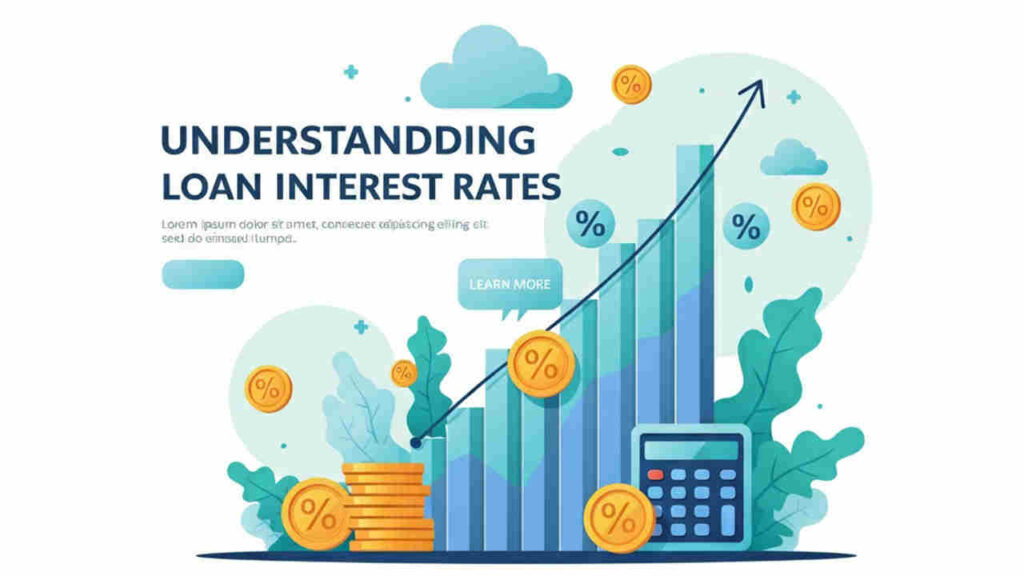
Understanding Loan Interest Rates
Smart Loan Decisions — Compare Interest & Tenure Easily
The interest rate is a portion of the overall loan that the lender fees you for the service of loaning you the money, and is a critically influential component of the overall loan you will need to pay back. Interest rates differ across from loan to loan, based on a person’s credit score, and depending on which lender you select.
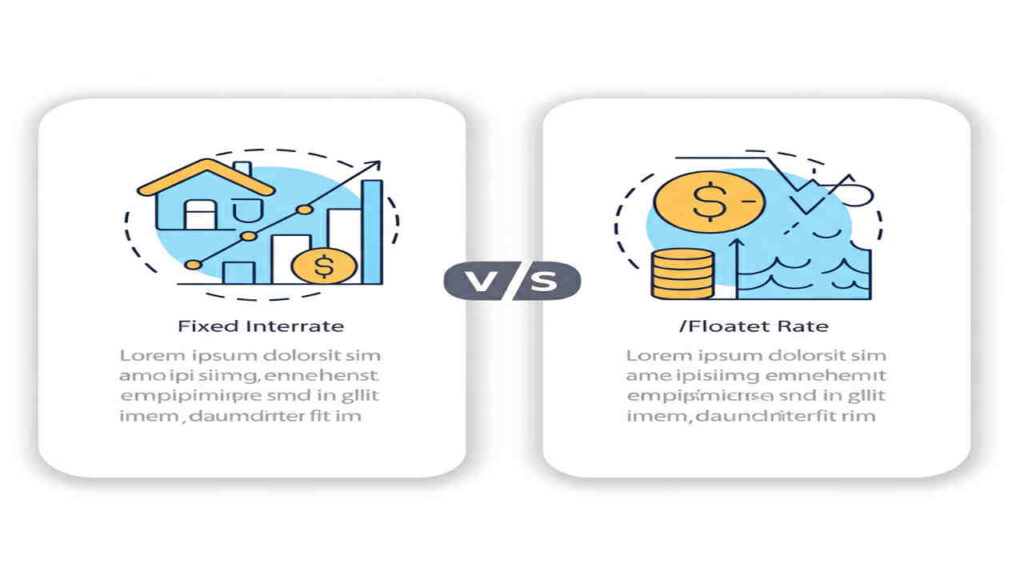
The types of interest rates on loans can be sorted into two main types:
- Fixed Interest Rate. These types of interest rates do not change at all during the entire repayment period of the loan. This system makes it easier to predict how much money will be needed every month.
- Floating Interest Rate. A floating interest rate is one that will eventually change based on the state of the market. It usually starts at a lower rate than a fixed one, but will also is at risk of becoming much higher during the time the loan is being paid off.
The interest rate you will receive on your loan is determined based on the credit score you have, the loan amount, and the time period you have for paying it back. A much lower interest rate is often advertised to people who have a higher credit score.
The Influence of Loan Tenure
Loan tenure is the total time you agree to pay back the loan. Given the financial consequences, it is an important factor to consider as longer loan tenures entail paying less ECU, monthly. However, you pay an increased amount of interest over a longer time period. Conversely, a shorter loan tenure means paying a higher amount each month, but there is a lower amount of total interest paid. Let’s break it down further:
- Shorter Loan Tenure: This enables paying off loans quicker. However, monthly payments will be higher. This may squeeze the budget, but it will be worth it in the end because it will save a larger amount of money due to less interest being paid in total.
- Longer Loan Tenure: Although there is increased financial flexibility, be careful as it may cost you more in the long run. Due to interest being paid over longer time periods, monthly payments are lower, but an increased amount will ultimately be paid to the lending institution.
Loan Comparison Section
We have created this summary table to facilitate your comparison of alternative loans by interest rates and tenures to assist in your financing decision.
| Loan Type | Lender | Interest Rate | Loan Tenure | EMI (approx.) | Total Repayment |
| Home Loan | Bank A | 7.50% | 20 years | ₹15,000 | ₹36,00,000 |
| Personal Loan | Bank B | 12.50% | 5 years | ₹18,000 | ₹10,80,000 |
| Car Loan | Bank C | 9.00% | 7 years | ₹25,000 | ₹21,00,000 |
| Education Loan | Bank D | 10.00% | 10 years | ₹12,000 | ₹14,40,000 |
| Business Loan | Bank E | 11.00% | 5 years | ₹22,000 | ₹13,20,000 |
Things to Consider When Comparing Loans
When you are considering loans, it is easy to focus only on the interest rates and loan tenures. Other factors influence and impact the total cost and impact the convenience of the loan. When comparing loans, consider the factors below:
- Processing Fees: A number of loaners impose processing fees which increase the total cost of the loan. When comparing loan options, ensure to consider these costs
- Prepayment and Foreclosure Charges: Some loans are structured to allow you to make prepayments or to completely pay off the loan prior to the end of the loan tenures, but there are also some fees involved. Should you consider paying off your loan earlier, check these fees.
- Repayment Flexibility: Different loaners provide options for flexibility which enable you to make changes to your EMI or to miss a payment if things are bad financially. This can be good if your financial situation changes often.
- Loan Approval Process: Evaluate the length of time it will take to gain approval for the loan. Some loans can be approved, and the money disbursed in only a few days. Some loans take longer to get approved and the money disbursed because the loaners have stricter requirements.
Assessing Your Loan Eligibility
When comparing loans, the first or starting point should be your loan eligibility. Lenders will consider a multitude of factors, such as your income, credit score, and current debt, to determine how much they are willing to give you and on what terms.
- Credit Score: In the case of loans, individuals with a credit score of 750 will be more likely to land a loan and more favorable terms.
- Income and Employment: Lenders prefer individuals with a steady income, be it a salary or a revenue stream from a business.
- Existing Debts: Financial obligations play a big role as lenders will first and foremost consider your current debts. In the case of loans, they will likely consider debt to income ratio to determine eligibility.
for more details click here