


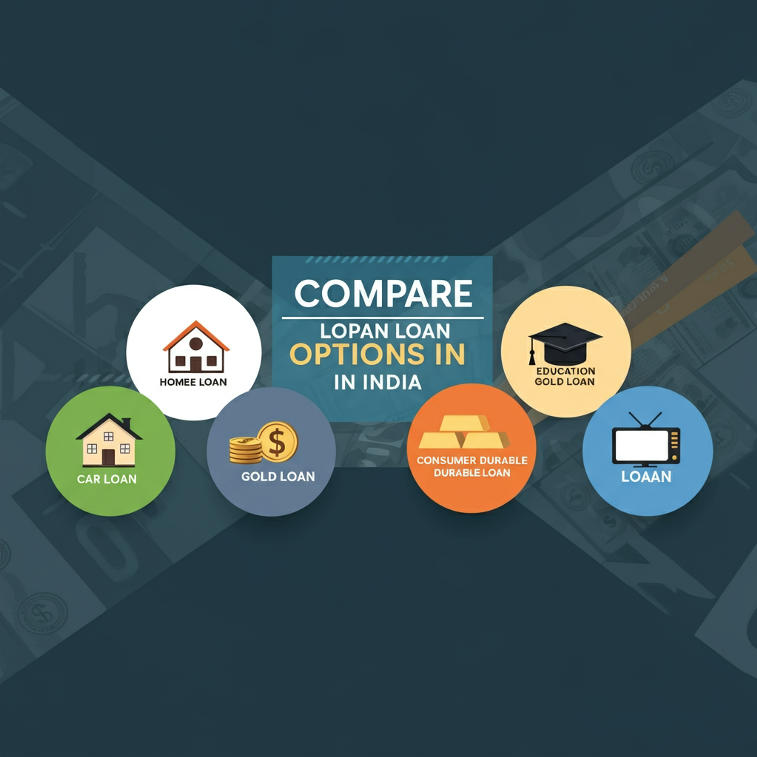
One of the first steps one has to take to actualize one’s goals, whether it is for personal reasons such as acquiring a home or for one’s business, is to obtain a loan from a lending institution. However, it is important to note that more than understanding the goals, this is a complex loan market, and therefore, the offers one can choose from are numerous, making it difficult to choose one that best meets their needs.
This study aims to make the Indian loan market less complex and to compare different loans based on the different benefits, features, and costs. In addition, the study aims to offer knowledge and direction that can help in the construction of meaningful and productive loans, considering one’s present and future objectives.
the Varied Types of Loan One Can Obtain in India
To cater for the needs of its citizens, there is a wide variety of loans available in India. Below and the next segments are the more frequent loans one can acquire.
- Personal Loans
This is a kind of loan that can be obtained without having to put up collateral, thus they are deemed unsecured. Personal loans are most often used to help one in various financial needs such as, travel, weddings, medical emergencies, and home renovations.
In Addition, some requirements an individual must meet include but are not limited to having a credit score, sufficient income, as well as an employment status.
Home Loans
Home loans are loans that are collateralized by the home or property that the borrower intends to purchase. People obtain these loans to purchase a home, obtain a parcel of land, or to construct a home. Home loans are amortized over extended periods, which range from 10 to 30 years.
Car Loans
Car loans are used by individuals to purchase either new or used vehicles.
The borrower is financing a vehicle with these loans, which are collateralized by the vehicle itself. Car loans are generally offered at a lower interest rate than personal loans, however some qualifying criteria must be satisfied such as maintaining a minimum credit score as well as an income threshold.
Educational Loans
Educational loans assist individuals with the costs of attending college regardless of whether the institution is located in India or a foreign country. These loans encompass all costs that are related to the college attendance, which include tuition costs, living expenses, and other related costs.Generally speaking, financial institutions tend to charge lower interest rates on educational loans and do not require the borrower to start paying back the loan during their course of study.
5. Loans for Businesses
Business loans are loans that are exclusively made available to owners of businesses and to businesses that are in need of financial support, to purchase additional equipment, to invest in working capital, or to expand the operations of the business. The loans can have either or both of secured and unsecured loan facilities, and the terms are determined by the business’s credit history, its turnover, and which category of loan is being applied for.
“6. Gold Loans“
Gold Loans are short-term loans secured by gold jewelry. The length of time spent processing loans is shorter compared to other types of loans. Because they are secured loans, they also have a lower interest rate compared to other types of loans that are not secured.
9. Consumer Durable Loans
Consumer Durable Loans cover the purchase of a fridge, television, laptop, smartphone, and other electronic appliances. The cost of the loans is greater than the cost of other types of loans, and they have a shorter repayment period.
Key Factors to Consider When Choosing a Loan
There are a number of factors that need to be taken into consideration when settling on loans.
- Interest Rates. Loans are usually charged interest, and the level of interest that is charged will determine how much the loan will cost in the long term. Each loan provider in the market has a unique interest rate, and because of this, it is necessary to make interest rate comparisons in the market, to identify the best provider.
- Loan Amount. Prior to making an application for a loan, it is essential for one to assess what the financial problem is, because the loan amount being borrowed needs to be able to cover the financial problem. If a borrower takes out a loan amount that is too much, it will lead to a financial problem. Conversely, if a borrower takes out a loan amount that is too little, they will still have an unresolved financial problem.
- Tenure. When the time period is longer, it will mean that the monthly repayments are lower. However, it will also mean that the loan will be more expensive overall because of the interest charged on the loan.”
The shorter the loan term, the higher your monthly payment will be, but the total loan interest will be less.
- Processing Fees: In advance, you should contact some lenders and see if they have any processing fees. This will increase the overall cost of the loan.
- Eligibility Criteria: Loans have different requirements. Minimum income, age, credit score, and job status are some of the things that can be required. Make sure you meet the basic criteria for a loan before you apply for one.
- Prepayment and Foreclosure Fees: Some loans have a penalty for paying them off early. If you are anticipating that you will be paying off a loan before the expected date, it is advisable to check if there are any fees for early payment or for foreclosure.
Comparing the Loan Options Available in India
The details loans listed here allow prospective clients to analyze the alternatives available to them.
Type of Loan: Personal Loan
Amount of Loan: 50,000 to 4 Lakhs
Interest Rates: 10% to 18% annually
Duration of Loan: 1 to 5 Years
Processing Fees: 1% to 2% of the overall sum of the loan
Prerequisites: Age must be older than 21 years, accompanied by a consistent source of income.
Type of Loan: Home Loan
Loan Amount: 1 lakh to 10 crores
Interest Rates: 6.75% to 8.5% annually
Duration of Loan: 10 to 30 Years
Processing Fees: 0.5% to 1% of the entirety of the loan sum
Prerequisites: Age between 23 to 60 years, including a permanent employment.
Type of Loan: Auto Loan
Loan Amount: 1 lakh to 1.5 crores
Interest Rates: 7% to 13% annually
Duration of Loan: 1 to 7 Years
Processing Fees: 1% to 2% of the overall sum loaned
Eligibility: 21 years of age or older with a reliable job
Type of Loan: Educational Loan
Loan Amount: 1 lakh to 4 lakh
Interest Rates: 8.5% to 15% annually
Duration of Loan: 5 to 15 YearsProcessing Fee: Ranging Between 0.5% to 1.5% of the loan amount
Eligibility: Admission to a qualifying institution
Loan Type: Business Loan
Loan Amount: From 50,000 to 50 lakhs
Interest Rates: 10% to 20% annually
Length of Loan: 1 to 5 Years
Processing Fee: 2% to 3% of the loan amount
Who can apply: Business turnover; whose credit score matches the eligibility
Gold Loan | Gold Collateralized | ₹10,000 to ₹1 Crore | 7% to 15% | 3 months to 2 years | 1% to 2% | Must have a steady income
Consumer Durable Loan | ₹10,000 and ₹5 Lakhs | 10% – 25% | 6 Months to 2 Years | 1% to 2% | Must meet the minimum income and age requireme

How to Pick the Right Loan
- Know What You Need: You should have a clear understanding of the loan purpose before selecting one.
A personal loan will not have a lower interest rate than a car loan. However, you might want to personal loan to cover additional personal expenses.
2. Check Your Credit Score: Your Credit Score has a direct effect on your interest rate and the time it takes to get a loan. Higher scores usually mean faster approval and better interest rates than lower ones. You should consider raising your score to the upper tier before you apply to obtain a loan.
3. Check Out Different Loan Options: You should compare different loans. You should not accept the first loan offer you get, and you should consider what different lenders including different banks and other financial institutions are offering.
4. Look at the Whole Cost: Even if a loan has a very reasonable interest rate, you should consider the total cost of the loan including additional service fees and other service fees that are usually hidden.
5. Look for Adaptive Loans: Look for loans that offer flexible payments, early payment without penalty, and willfully loosen the term of the loan. If you find that your financial situation has changed during the life of the loan, it is very important that the loan has flexible terms.
Description: A photo depicts interface of a loan comparison tools while being accessed on laptop or smartphone demonstrating detail and simplicity of design. The picture is modern showing a tech-savvy user and demonstrating smart choice.
Conclusion
Ultimately, choosing a loan in India is a very complex and tedious process since there are numerous loan options and features and other financial factors to consider. But, and still, relative to your financial needs, the features of the loan, the interest rates, the length of the loan, your eligibility and other factors, the table above gives a comparative analysis which will help you narrow down your options and make an informed decision.
You can pretty much find a loan for anything you want to do, such as, buying a home, financing your education, or starting a new business. We highly recommend you do your research and find a loan that supports your financial goals and will help you execute your useful purpose.
Doing your research will help ensure that the loan will assist you in accomplishing your purpose. You will be able to finish your goals with minimum financial stress as long as you select parameters that are suitable for you.
Compare and Select the Most Appropriate Loan Offer in India
One of the first steps one has to take to actualize one’s goals, whether it is for personal reasons such as acquiring a home or for one’s business, is to obtain a loan from a lending institution. However, it is important to note that more than understanding the goals, this is a complex loan market, and therefore, the offers one can choose from are numerous, making it difficult to choose one that best meets their needs.
This study aims to make the Indian loan market less complex and to compare different loans based on the different benefits, features, and costs. In addition, the study aims to offer knowledge and direction that can help in the construction of meaningful and productive loans, considering one’s present and future objectives.
the Varied Types of Loan One Can Obtain in India
To cater for the needs of its citizens, there is a wide variety of loans available in India. Below and the next segments are the more frequent loans one can acquire.
- Personal Loans
This is a kind of loan that can be obtained without having to put up collateral, thus they are deemed unsecured. Personal loans are most often used to help one in various financial needs such as, travel, weddings, medical emergencies, and home renovations.
In Addition, some requirements an individual must meet include but are not limited to having a credit score, sufficient income, as well as an employment status.
Home Loans
Home loans are loans that are collateralized by the home or property that the borrower intends to purchase. People obtain these loans to purchase a home, obtain a parcel of land, or to construct a home. Home loans are amortized over extended periods, which range from 10 to 30 years.
Car Loans
Car loans are used by individuals to purchase either new or used vehicles.
The borrower is financing a vehicle with these loans, which are collateralized by the vehicle itself. Car loans are generally offered at a lower interest rate than personal loans, however some qualifying criteria must be satisfied such as maintaining a minimum credit score as well as an income threshold.
Educational Loans
Educational loans assist individuals with the costs of attending college regardless of whether the institution is located in India or a foreign country. These loans encompass all costs that are related to the college attendance, which include tuition costs, living expenses, and other related costs.Generally speaking, financial institutions tend to charge lower interest rates on educational loans and do not require the borrower to start paying back the loan during their course of study.
5. Loans for Businesses
Business loans are loans that are exclusively made available to owners of businesses and to businesses that are in need of financial support, to purchase additional equipment, to invest in working capital, or to expand the operations of the business. The loans can have either or both of secured and unsecured loan facilities, and the terms are determined by the business’s credit history, its turnover, and which category of loan is being applied for.
“6. Gold Loans“
Gold Loans are short-term loans secured by gold jewelry. The length of time spent processing loans is shorter compared to other types of loans. Because they are secured loans, they also have a lower interest rate compared to other types of loans that are not secured.
9. Consumer Durable Loans
Consumer Durable Loans cover the purchase of a fridge, television, laptop, smartphone, and other electronic appliances. The cost of the loans is greater than the cost of other types of loans, and they have a shorter repayment period.
Key Factors to Consider When Choosing a Loan
There are a number of factors that need to be taken into consideration when settling on loans.
- Interest Rates. Loans are usually charged interest, and the level of interest that is charged will determine how much the loan will cost in the long term. Each loan provider in the market has a unique interest rate, and because of this, it is necessary to make interest rate comparisons in the market, to identify the best provider.
- Loan Amount. Prior to making an application for a loan, it is essential for one to assess what the financial problem is, because the loan amount being borrowed needs to be able to cover the financial problem. If a borrower takes out a loan amount that is too much, it will lead to a financial problem. Conversely, if a borrower takes out a loan amount that is too little, they will still have an unresolved financial problem.
- Tenure. When the time period is longer, it will mean that the monthly repayments are lower. However, it will also mean that the loan will be more expensive overall because of the interest charged on the loan.”
The shorter the loan term, the higher your monthly payment will be, but the total loan interest will be less.
- Processing Fees: In advance, you should contact some lenders and see if they have any processing fees. This will increase the overall cost of the loan.
- Eligibility Criteria: Loans have different requirements. Minimum income, age, credit score, and job status are some of the things that can be required. Make sure you meet the basic criteria for a loan before you apply for one.
- Prepayment and Foreclosure Fees: Some loans have a penalty for paying them off early. If you are anticipating that you will be paying off a loan before the expected date, it is advisable to check if there are any fees for early payment or for foreclosure.