
Starting a subscription box business is an exciting opportunity for entrepreneurs looking to break into the online market. Whether you’re passionate about niche products, curating unique experiences, or simply looking to create a steady stream of income, a subscription box business can be a profitable venture with the right planning and strategy. In this article, we will guide you step-by-step on how to start a subscription box business and generate money online.
What is a Subscription Box Business?
A subscription box business involves sending customers curated packages of products on a regular basis (weekly, monthly, or quarterly). Customers pay a recurring fee for the subscription and receive a surprise selection of goods, often tailored to their interests, hobbies, or needs. The model has gained significant traction in recent years, with a wide range of niches, from beauty products and snacks to books and fitness gear.
Why Start a Subscription Box Business?
There are several reasons why starting a subscription box business can be a lucrative idea:
- Predictable Revenue: Subscription boxes create a steady stream of income with recurring payments.
- Scalability: As your customer base grows, you can scale your business with minimal additional effort.
- Customer Loyalty: Subscribers tend to stay loyal, especially if they enjoy the curated experience you provide.
- Niche Markets: You can target specific, passionate communities with curated boxes, such as eco-friendly products or unique gadgets.
Step-by-Step Guide to Starting a Subscription Box Business
1. Choose Your Niche
The first and most important step is to choose a niche for your subscription box. A niche is essential because it allows you to target a specific audience with tailored offerings. Some popular subscription box categories include:
- Beauty and skincare
- Food and beverages
- Fitness and wellness
- Books and literature
- Hobbies and crafts
It’s crucial to choose a niche that aligns with your passion and expertise. This will help you provide value to your subscribers and ensure long-term sustainability.
2. Market Research and Competitive Analysis
Once you’ve chosen your niche, conduct thorough market research. Identify competitors in your chosen market, analyze their strengths and weaknesses, and find opportunities where you can differentiate your subscription box. By understanding your competition, you can offer a more attractive proposition to your potential customers.
To visualize the key factors, here’s a comparison table of popular subscription box niches:
| Niche | Potential Target Audience | Key Selling Point | Examples of Successful Boxes |
|---|---|---|---|
| Beauty & Skincare | Women, beauty enthusiasts | Self-care, high-quality products | Birchbox, Ipsy |
| Food & Beverages | Foodies, health-conscious people | Unique snacks, organic items | Snack Crate, Graze |
| Fitness & Wellness | Health and fitness enthusiasts | Health-focused products | Gainz Box, FITBOX |
| Books & Literature | Book lovers, literary enthusiasts | Curated books, book-themed items | Book of the Month, LitJoy |
| Hobbies & Crafts | DIY lovers, hobbyists | Creative kits, craft supplies | Maker Crate, Adults & Crafts |

3. Source Products for Your Subscription Box
The next step is sourcing the products you plan to include in your subscription box. Depending on your niche, you may work with local suppliers, wholesale distributors, or even creators who can provide unique, handmade items. If possible, build relationships with suppliers to negotiate better prices, ensuring your business remains profitable.
Additionally, consider offering exclusive items that cannot be found easily elsewhere. This adds a sense of exclusivity to your box and entices subscribers to stay loyal to your service.
4. Set a Price Point
Pricing your subscription box is a delicate balancing act. You need to ensure that your box is priced competitively while also making enough profit to sustain your business. Some factors to consider when setting a price include:
- Cost of products: Ensure the total cost of products per box is manageable within your pricing structure.
- Shipping costs: These can add up quickly, especially if you’re offering free shipping.
- Profit margin: Aim for a healthy profit margin, but don’t price yourself out of the market.
A good rule of thumb is to price your subscription box at around 2-3x the cost of the products inside, including shipping and handling.
5. Build Your Website and Create an Online Store
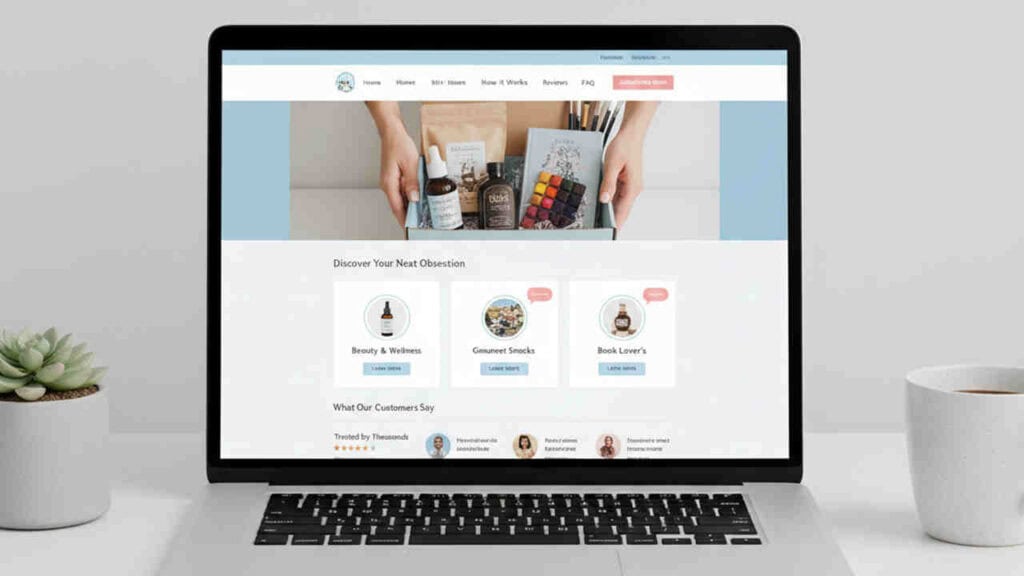
A user-friendly website is essential for selling subscription boxes. Choose a platform that can handle subscription-based billing and recurring payments. Shopify, WooCommerce, and Cratejoy are popular platforms for subscription box businesses.
Your website should include:
- Clear product descriptions: Explain what’s inside each box and what subscribers can expect.
- Easy subscription process: Make it easy for customers to sign up and manage their subscriptions.
- Engaging visuals: Showcase your products with high-quality images and a clean design.
6. Marketing Your Subscription Box Business
Marketing is the key to attracting subscribers. Use these strategies to promote your subscription box business effectively:
- Social media marketing: Create profiles on platforms like Instagram, Facebook, and Pinterest to engage with your audience. Showcase sneak peeks, testimonials, and behind-the-scenes content.
- Influencer marketing: Partner with influencers in your niche to promote your box. Their followers can become potential subscribers.
- Email marketing: Build an email list and keep potential customers informed with special promotions, discounts, and product updates.
- Referral programs: Offer incentives for subscribers to refer friends, such as discounts or bonus products in their next box.
7. Fulfillment and Shipping
Shipping is one of the most important parts of the subscription box business. Choose a reliable fulfillment service that can handle packing and shipping your boxes on time. You can either handle this in-house or outsource to a third-party logistics (3PL) provider. Make sure to factor shipping costs into your overall pricing strategy.
Key Takeaways
- Starting a subscription box business requires careful planning and understanding of your niche.
- Market research, competitive analysis, and sourcing quality products are essential to building a successful business.
- A user-friendly website and an effective marketing strategy will help you attract and retain subscribers.
- Shipping and fulfillment are crucial aspects of the business and need to be handled efficiently.
By following these steps, you can start your own subscription box business and create a sustainable online income. Whether you’re passionate about skincare, fitness, or books, the subscription box model provides a great way to turn your interests into a profitable business.